

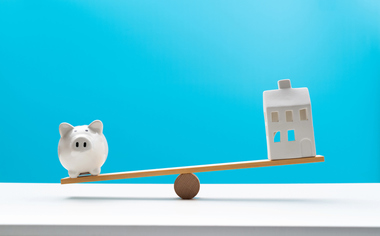
HELOCs and Investment Properties: A Good Mix?
A home equity line of credit, otherwise known as a HELOC, gives you easy access to the equity in a property. HELOCs work similarly whether you are taking them out against your investment property or your primary residence. The difference is that the cost of taking out a HELOC for an investment property is usually higher.
The main reason for the higher cost is risk. Lenders know that borrowers are more likely to stop making their payments on loans connected to investment properties than they are on mortgages taken out on their primary homes. Owners who face financial hardship are more willing to lose an investment home to foreclosure than they are their primary residence.
That’s why lenders typically charge higher interest rates on HELOCs connected to investment properties. It varies by lender, but when taking out a HELOC against the equity in an investment home, you can expect to pay interest rates that are 1% to 2% higher than those offered for primary home HELOCs.
Otherwise, HELOCs work the same whether you are taking out one for your investment property or a primary home.
HELOCs explained
A HELOC works a bit like a credit card with a maximum borrowing limit based on the equity in your home.
Say your investment property is worth $350,000 and you owe $200,000 on the mortgage. You have $150,000 in equity. Most lenders will let you take out a HELOC with a maximum borrowing limit of up to 80% of your equity. In this case, you might qualify for a HELOC that lets you borrow up to $120,000.
And as with all HELOCs, you only pay back what you borrow. If your HELOC lets you borrow up to $150,000 and you only borrow $80,000, you only pay back that amount, with interest, not the full $150,000.
HELOCs on investment properties and primary homes come with two phases: the draw period and the repayment period.
During the draw period, which usually lasts 10 years, you can borrow up to your maximum limit. You only pay interest on what you borrow during this time, meaning that your monthly payments are lower.
During the repayment period, which can last up to 20 years, you can no longer withdraw funds from your HELOC. Instead, you pay back what you borrowed. You are now paying back both interest and principal, so your monthly payments will jump significantly.
More hurdles with investment properties
While a HELOC gives you the flexibility to borrow money when you need to spend on repairs or renovations, qualifying for one is more challenging for an investment property.
Most lenders will want you to have a stronger credit score than if you were taking out a HELOC on your primary residence. Some lenders require a FICO score of at least 700.
Most lenders will also want your total monthly mortgage payments, including your new HELOC payments; student, auto and personal loan payments; and minimum monthly credit card payments to equal no more than 43% of your gross monthly income.
The reason for this requirement is, again, the risk involved. Lenders know that they face a higher risk of default from the owners of investment properties. They want to make sure that your financial history shows a record of on-time payments and that your income is high enough to be able to afford your new HELOC payments. Work with financial and real estate professionals to see whether this option is right for you.
©2026