
Should You Pay for Mortgage Points?
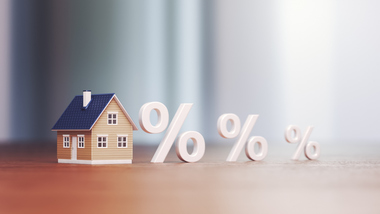
Mortgage points, also known as discount points, give you the opportunity to purchase a lower interest rate on your mortgage. The more points you buy — something you can do when closing on your loan — the more you can reduce your mortgage’s interest rate.
The key is to determine whether the savings you’d receive by paying for mortgage points are high enough to justify the up-front costs of purchasing them.
How mortgage points work
One mortgage point typically costs 1% of your total loan amount. If you are taking out a mortgage of $300,000, a single mortgage point would amount to a $3,000 fee. You’d pay for your points as part of your mortgage’s closing costs.
Buying a single mortgage point typically reduces your loan’s interest rate by 0.25 percentage points.
Say you qualify for a 30-year fixed-rate mortgage with an interest rate of 6.5%. If you pay for a single mortgage point, you’d reduce that interest rate to 6.25%, something that would reduce your monthly mortgage payment.
Are mortgage points worth the cost?
Buying mortgage points typically pays if you plan on owning your home for a longer period. The longer you keep your mortgage, the more money you’ll save over the years.
If you refinance your mortgage or sell your home in the next couple of years, though, you might end up spending more on your points than you’ll end up saving on your monthly payments.
The key is to determine the break-even point when your monthly mortgage savings will outweigh the money you’ve spent buying points. Your mortgage lender can help you determine this.
If your break-even point comes after your fifth year of making mortgage payments, you’ll need to stay in your home at least five years to realize any savings from buying points. The longer you stay in your home and hold on to your mortgage after this break-even point, the more money you’ll save by buying points.
To calculate your loan’s break-even point, divide the cost of your mortgage points by the amount that your lower interest rate saves you each month.
Say you take out a 30-year fixed-rate loan of $350,000. If you buy one mortgage point, you’d spend $3,500. Now say that the reduction in your interest rate saves you $57 in interest each month.
The $3,500 cost of points divided by your monthly savings of $57 equals 61. This means that after 61 months of payments, or just over five years, you’d reach your break-even point — the point at which your monthly savings will have equaled the money you spent on points.
In this example, if you plan to own your home and hold on to your mortgage for over five years, you’d break even with the cost of buying one point.
How much can mortgage points save you in interest?
How much you save in interest by purchasing mortgage points depends on the size of your mortgage, your new interest rate and the number of years you stay in your home without refinancing to a new mortgage.
Say you take out a $400,000 fixed-rate loan with a term of 30 years. If you qualify for an interest rate of 7%, you’ll pay $2,661 a month in principal and interest. (This amount doesn’t factor in any money you’ll spend on taxes or insurance.)
If you spend $4,000 to buy one point, you’ll reduce your interest rate to 6.75%, which will drop your monthly payment, again not including taxes or insurance, to $2,594, meaning that you’ll save $67 a month in interest.
If you hold on to your loan for the full 30 years, you’ll pay $558,036 in interest with a rate of 7% and $533,981 in interest with the rate of 6.75%, for a total savings of $24,055.
In this example, it would take you just over 59 months, or about five years, to reach the break-even point at which your savings will recoup your up-front cost of buying points. If you plan on living in your home for longer than five years and not refinancing for at least that long, buying points in this example might make sense.
Other benefits of mortgage points
Depending upon your financial situation, you may qualify to deduct the cost of mortgage points on your federal taxes, giving you another benefit. There are several qualifications you must meet to be eligible, but many homeowners will find that they can use this deduction. Contact your financial professional for details.
Making sense of points
If you’re not sure whether buying mortgage points makes sense for your situation, contact us. We can outline the costs and benefits for your particular scenario to help you make an informed decision.
©2025