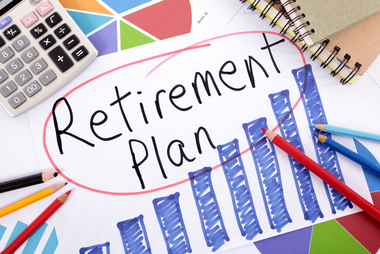
Keeping Track of Retirement Plans After You Leave the Company Take the case of the individual who worked in the book publishing industry his entire career. At one point he briefly worked for a major corporation and was contributing...
Continue Reading

Mistakes To Avoid When Rolling Over Your IRA Congratulations! You’ve landed a new job and can’t wait to begin. After the farewells have been said, it will be time to roll over the retirement funds from your old job...

Don’t Fall Victim to Self-Directed IRA Fraud Traditional individual retirement accounts allow you to invest in what some would consider safer options such as stocks, bonds, certificates of deposit and mutual funds. Unlike traditional IRAs, self-directed IRAs offer a...

When Can You Withdraw from Your Retirement Accounts? Both individual retirement accounts and 401(k) plans are designed to help people save for retirement. A 401(k) is offered by your employer. You contribute a portion of your paycheck each pay...

Working for someone else will not necessarily guarantee you a retirement plan, as the financial and administrative costs of providing a retirement program can be prohibitive for smaller employers. But if you are self-employed (whether full time or part...
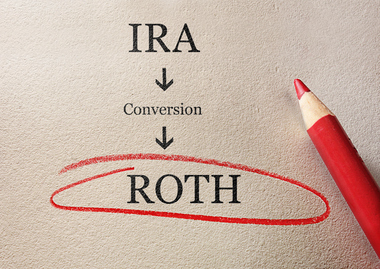
There may be circumstances under which you would want to move assets from a traditional IRA to a Roth IRA. Only people who already have a Roth IRA can complete a Roth IRA conversion, but the conversion can be...
Required Minimum Distributions: What’s The Story? Once you reach a certain age, you must take an annual required minimum distribution, which is a payout from your traditional IRA, 401(k) or other retirement account. The required amount is calculated based...